← Back

STYLE GUIDE
Cost per wear: the only math that stops bad purchases
Price tells you what a garment costs to buy. Cost per wear tells you what it costs to own. The two numbers disagree constantly, and the second one is the one that empties your account.
The formula, and a worked pair
Cost per wear = price ÷ times worn. A $200 coat worn 100 times over three winters costs $2 a wear. A $40 going-out top worn twice costs $20 a wear. The coat is five times the price and a tenth of the cost — and the sale rack is where the arithmetic gets most vicious, because "70% off" prices a piece you'll wear once at its full absurdity.
What a good number looks like
·
Under $1 per wear is the territory of true staples — the jeans, the white sneakers, the work trousers. Almost anything worn weekly gets here within a year.
·
$1–5 per wear is healthy for seasonal pieces and occasion clothes that repeat: the summer dress, the interview blazer.
·
Over $10 per wear deserves a question. One-event clothes live here, which is occasionally fine — a wedding is a wedding — but a closet with many residents in this band is a closet bought on impulse.
Use it before you buy, not after
The audit is useful; the pre-purchase estimate is the money-saver. Before buying, guess honestly: how many times will this be worn in the next year? Multiply real occasions, not hypothetical ones — "if I get invited to a gallery opening" is zero occasions. Divide the price by that number. If the answer embarrasses you, the piece has failed before the register.
The estimate has a hidden dependency: a piece gets worn in proportion to how many outfits it joins. The same white shirt is 20 outfits in one closet and 2 in another. Cost per wear is really combinations per dollar — which is why the same purchase can be smart for your friend and foolish for you.
PIECES
Where a higher price actually pays back
The categories that get worn a hundred times, so the math in the guide works in their favour.
Womenswear
Menswear

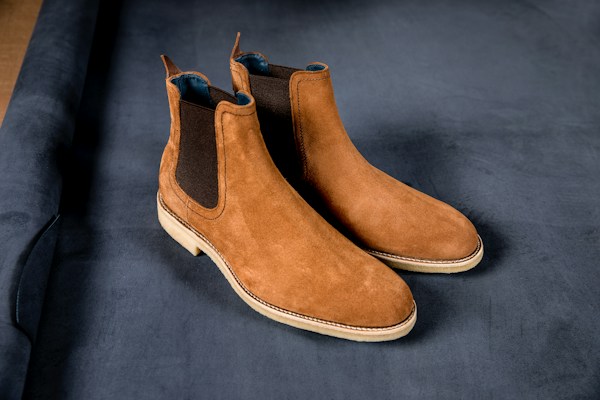

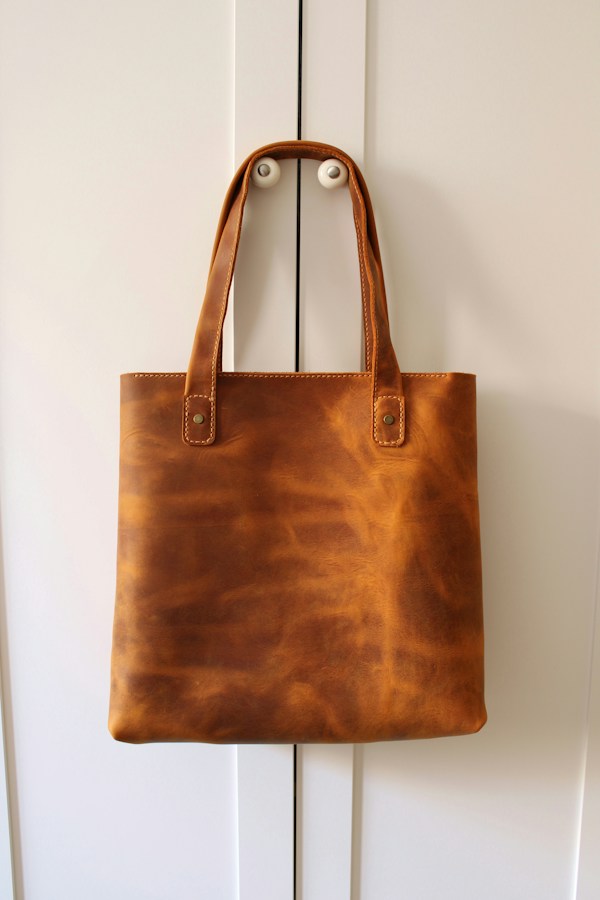
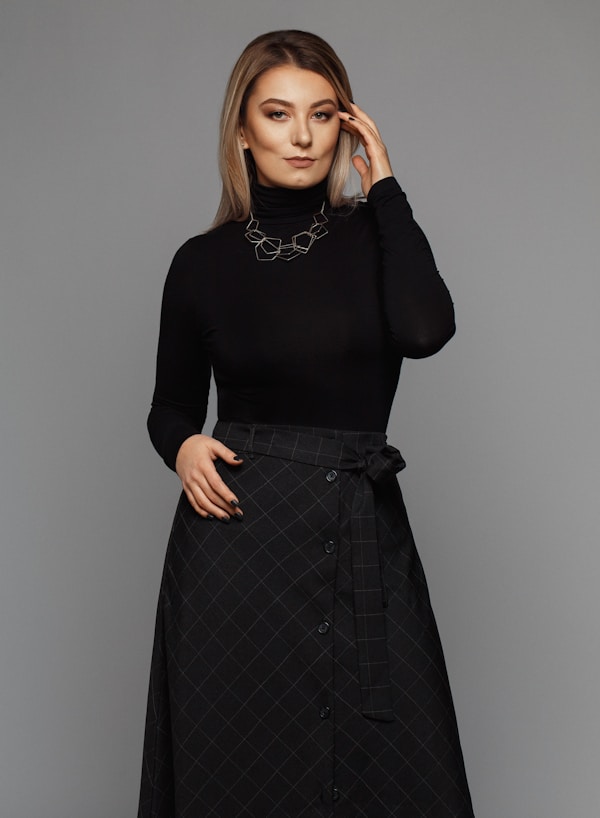
Picks curated by us; photos are representative, not exact product shots, prices are a guide to what the piece typically costs, and each one links to a matching search on Amazon rather than a specific in-stock item. As an Amazon Associate we earn from qualifying purchases.
DO THIS AUTOMATICALLY
33 Trends does this math for your actual closet
Photograph what you own and get daily outfits, wear tracking, and shopping suggestions scored against your real wardrobe. Free — every feature.
MORE GUIDES