← Back

STYLE GUIDE
Building a work wardrobe that runs itself
"Business casual" is doing more work than any phrase in fashion — it means a blazer in one office and dark jeans in the next. A working wardrobe starts by reading your office correctly, then builds a small system that produces outfits faster than you can drink the first coffee.
Read the room, then dress one notch up
Forget the handbook; look at the three most senior people you respect and note what they wear on an ordinary Tuesday. That's the office's real code. Your target sits one notch above the middle of it — enough polish to be taken seriously, not so much that Tuesday reads as an interview. One notch, not three: overdressing announces effort the way underdressing announces indifference.
The 3 × 5 + 2 formula
Three bottoms, five tops, two layers — all chosen so any top works with any bottom and either layer. That's 30 combinations before repeating, a six-week rotation, from ten garments. The discipline that makes it work is the same as a capsule's: a tight neutral base, matched formality across every piece, colour arriving in the tops where it sits near your face and multiplies least dangerously.
·
Bottoms are infrastructure — the most neutral, best-fitting trousers or skirts you can manage, because they repeat twice a week and nobody should be able to tell.
·
Tops carry the variety — five is enough for a week without repetition, and they're the cheapest tier to refresh when boredom hits.
·
The layers do the formality shifting — the same base outfit moves from desk day to client meeting by swapping a cardigan for a blazer. Buy the best blazer the budget allows; it's the piece doing the talking.
At work, fabric is the whole ballgame
Work clothes are worn ten hours, sat in for eight, and judged at 4 PM, not 9 AM. That verdict is decided by fabric: wool and ponte recover from a chair, linen surrenders to it, and the wrong synthetic announces itself in any warm meeting room. The one-fist test at the register — crush the fabric hard for five seconds, watch what it does — predicts the 4 PM meeting better than the mirror does.
The range test
A finished work wardrobe answers three days without shopping: the ordinary Tuesday, the surprise client meeting, and the offsite that says "casual" but means "still work." If any of the three sends you to a store in a panic, that's the gap — and it's usually the middle one, which one good blazer closes.
PIECES
The 3×5+2 formula, in pieces
Three bottoms, five tops, two layers is the guide’s formula; these are the kind of pieces it is built from.
Womenswear
Menswear
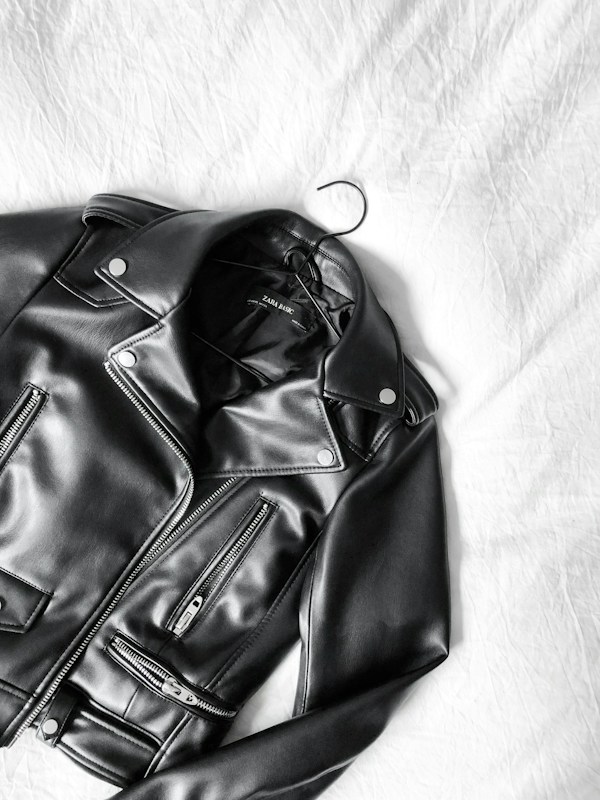
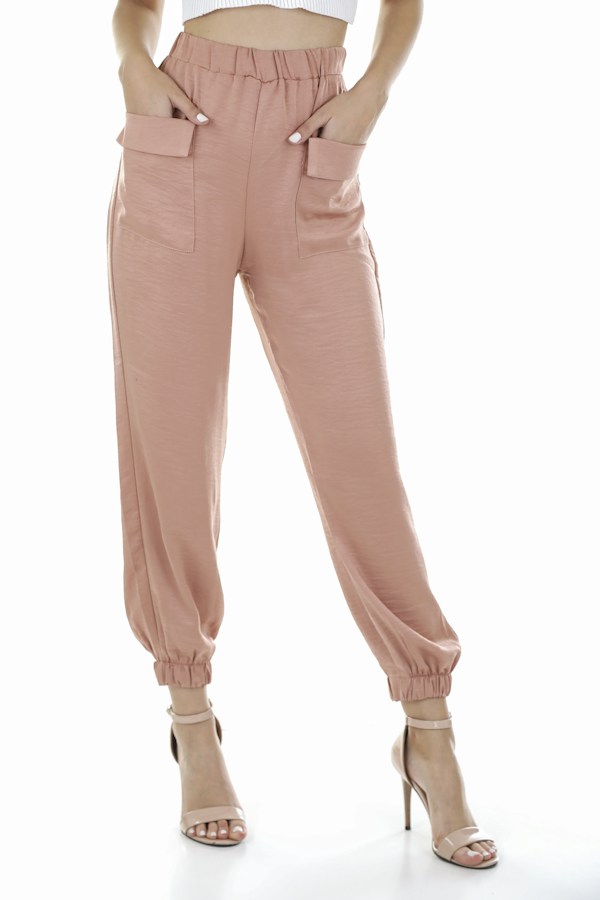
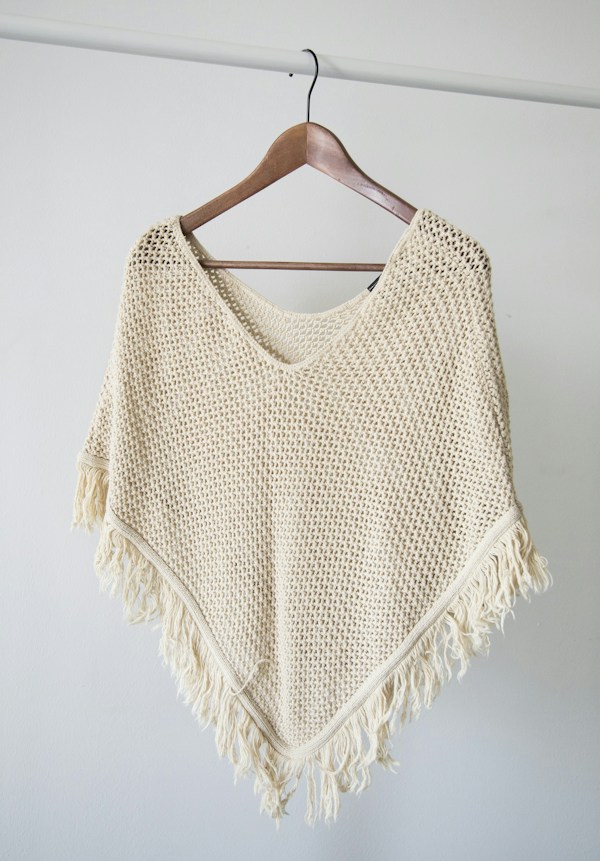
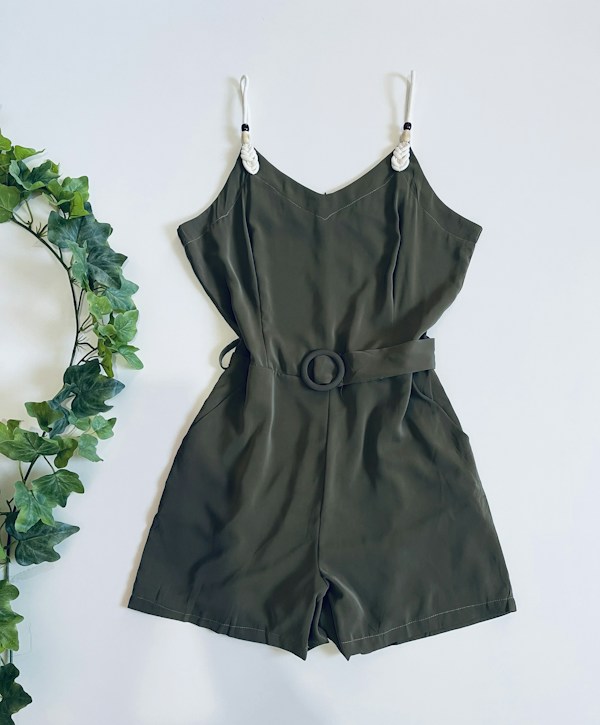
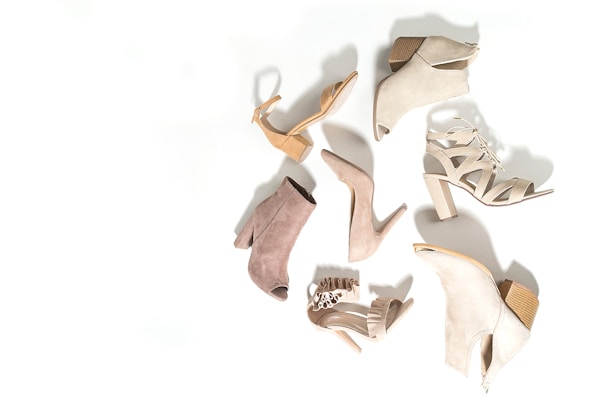
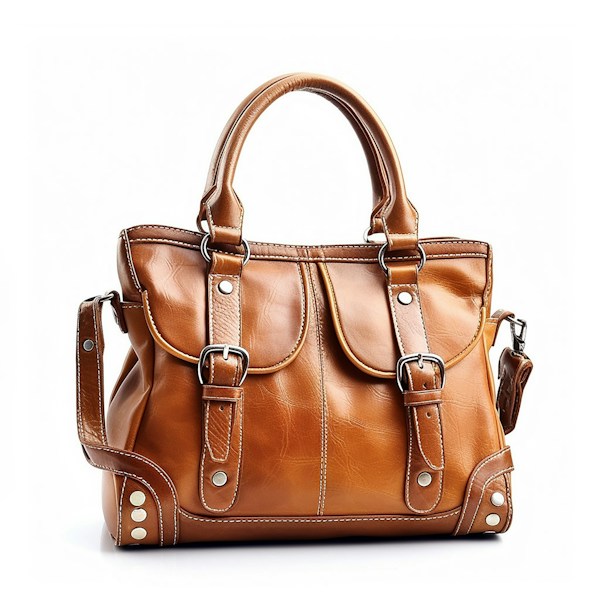
Picks curated by us; photos are representative, not exact product shots, prices are a guide to what the piece typically costs, and each one links to a matching search on Amazon rather than a specific in-stock item. As an Amazon Associate we earn from qualifying purchases.
DO THIS AUTOMATICALLY
33 Trends does this math for your actual closet
Photograph what you own and get daily outfits, wear tracking, and shopping suggestions scored against your real wardrobe. Free — every feature.
MORE GUIDES